Your vehicle is moving through Columbus every single day. It parks in front of customers. It sits in traffic next to prospects. The question is what it says when people see it. Choosing between a full wrap, partial wrap, or decals comes down to your goals, your budget, and how hard you want your fleet working for you.
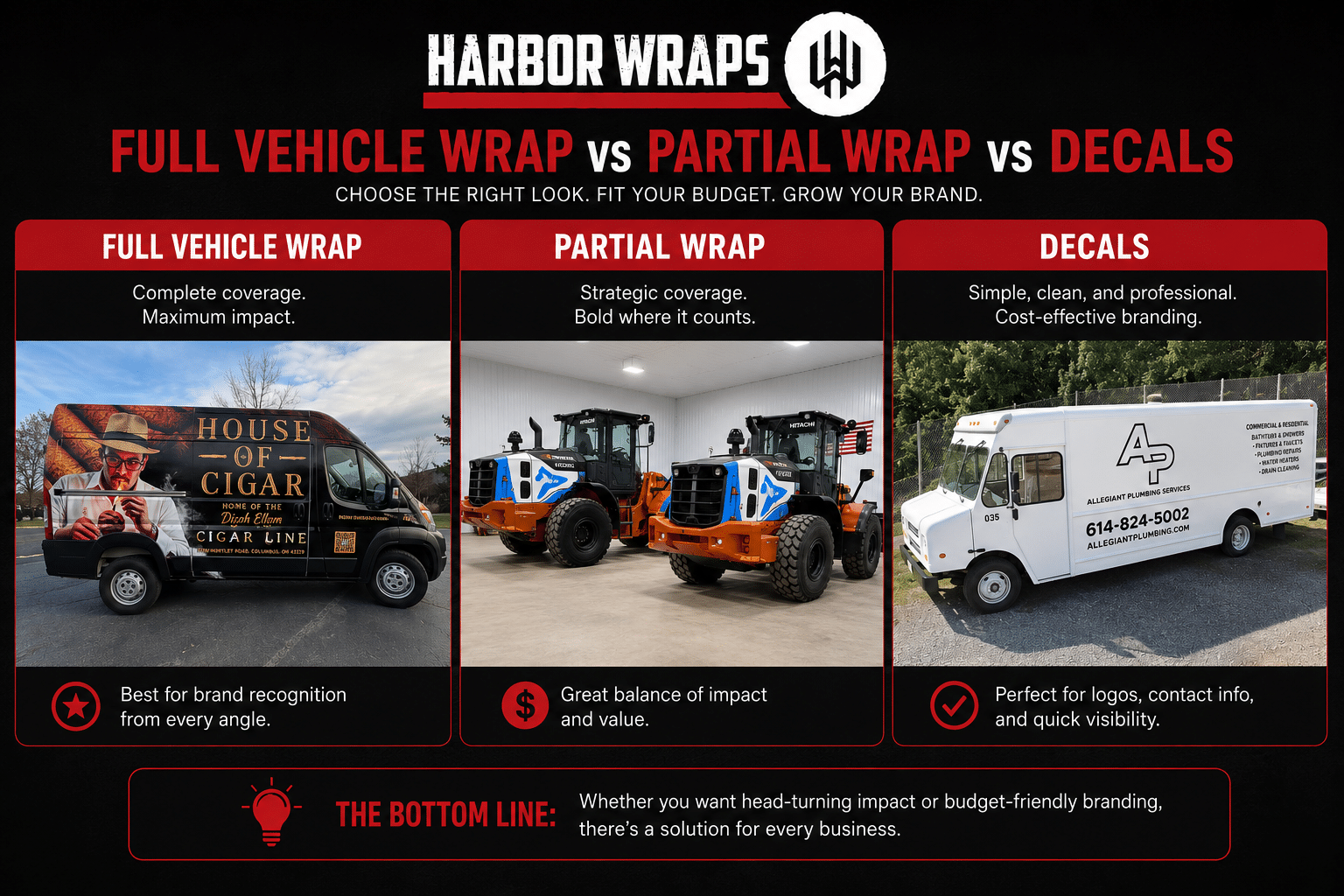
Full Wraps: Maximum Coverage, Maximum Impact
A full wrap covers every panel of your vehicle from bumper to bumper. Your brand colors, logo, and messaging stretch across the entire surface. People see it from a block away.
This is the right move when brand consistency matters most. National companies like Lululemon and American Eagle rely on full wraps for exactly this reason. Every vehicle in a fleet looks identical, and that repetition builds recognition fast.
Full wraps also protect the original paint underneath. Think of it as a second skin that takes the daily abuse of sun, road debris, and weather. When the wrap comes off, the paint underneath looks the same as the day it went on.
Partial Wraps: Strategic Coverage, Strong Results
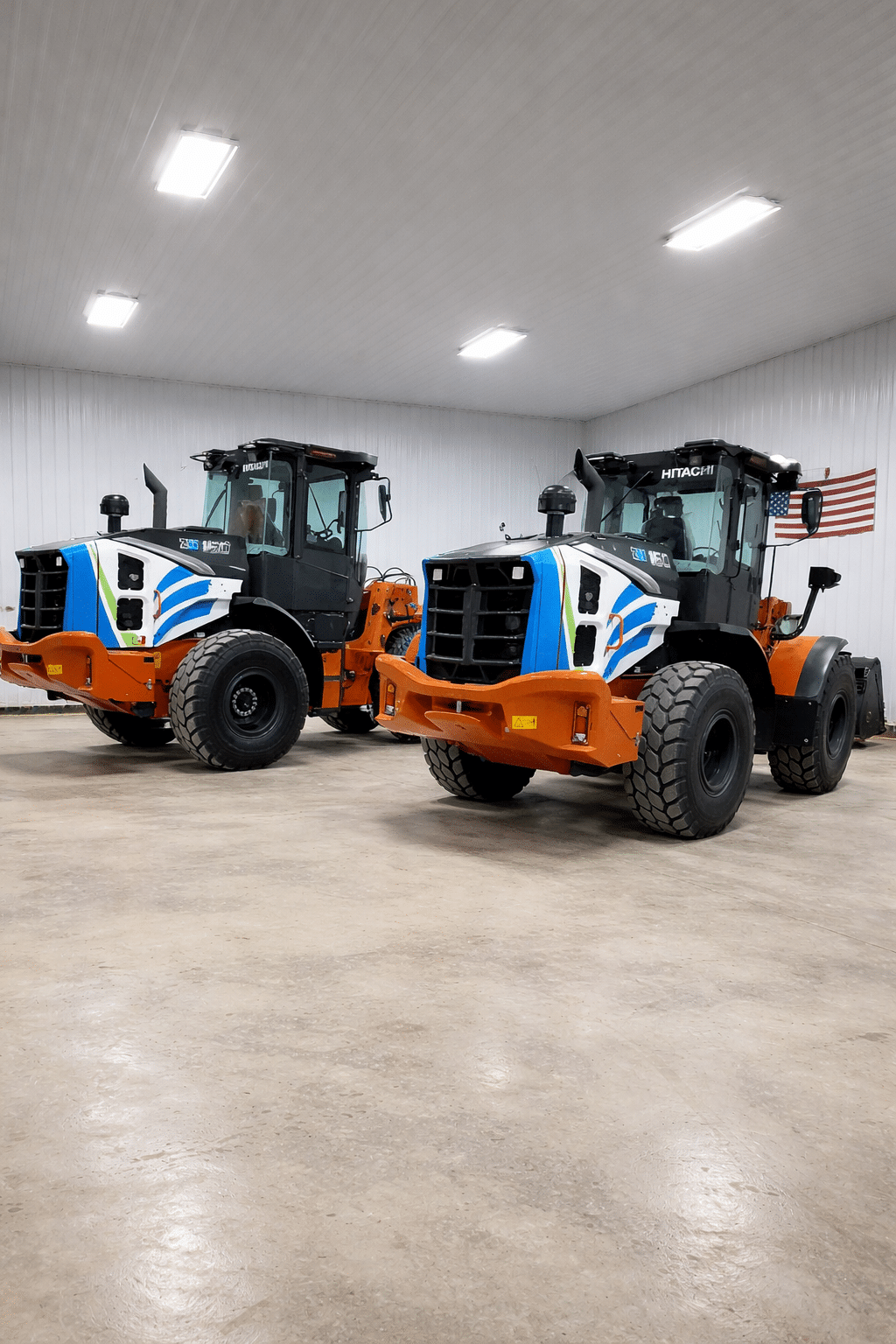
A partial wrap covers a section of the vehicle rather than the whole thing. This might mean the rear doors, the hood, or a bold stripe running the full length of the sides. Done well, it draws just as much attention as a full wrap.
Partial wraps work best when the vehicle’s original color plays a role in the design. A white van with a sharp graphic panel across the rear still turns heads. The wrap and the factory paint work together as one cohesive look.
This option makes sense for businesses that want strong visibility without covering every inch of the vehicle. It delivers a clean, professional appearance and gives your brand real presence on the road.
Decals: Simple, Specific, and Direct
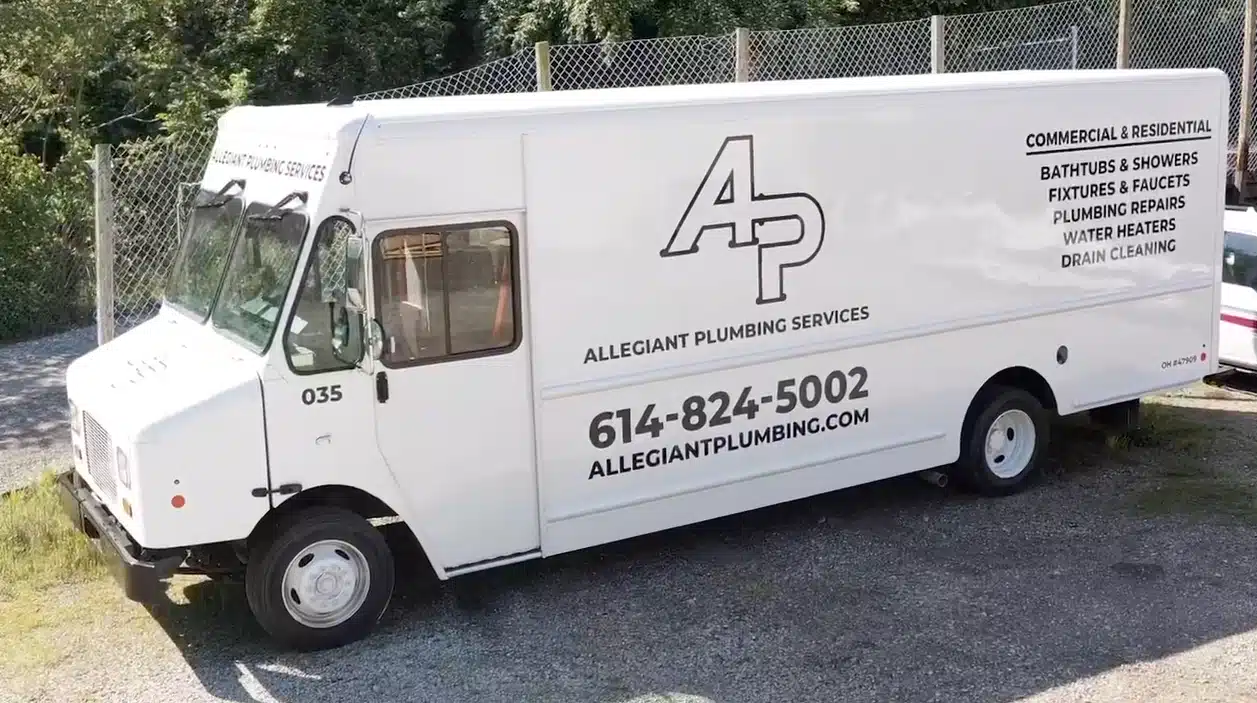
Decals are cut vinyl graphics applied to specific spots on your vehicle. Your company name on the door. A phone number across the rear window. A logo on the tailgate.
They work well for straightforward brand identification. Service trucks, delivery vehicles, and company cars often use decals to stay professional without a full branding treatment.
Decals are the most focused option. They communicate the essentials clearly. If your goal is simple contact information and a logo that looks sharp, decals handle that job well.
How to Choose the Right Option
Think About What You Want People to Do
A full wrap stops people mid-scroll and makes them look twice. A partial wrap builds recognition over time. Decals tell people who you are and how to reach you. Each one serves a different purpose in your marketing.
Consider How Many Vehicles You’re Branding
For a single vehicle, a full wrap makes a bold statement. For a fleet, consistent partial wraps or decals across every vehicle create a unified, professional look at scale. Commercial Vehicle Wraps at this scale require careful planning and precise execution on every single unit.
Think Long-Term, Not Just Upfront
A well-installed wrap runs for years. It reaches thousands of people in your market every week with zero recurring spend. If you’re weighing whether Commercial Wraps Are Worth It, the math usually lands clearly on the side of wrapping.
The key is proper installation. Wraps that bubble, peel, or fade early are a preparation problem. Harbor Wraps starts every project with surface prep that sets the wrap up to last. That’s what separates a wrap that holds up from one that doesn’t.
Certifications That Back Every Decision

Harbor Wraps holds five industry certifications including 3M Preferred Installer, KPMF Certified Vehicle Wrap Installer, and Elite Wrappers. These aren’t decorative credentials. They reflect real training, real standards, and real accountability on every project.
Whether you’re wrapping one vehicle or an entire fleet, the same preparation and execution standards apply. That consistency is what brands like Apple and Pandora count on when they bring their projects to us.